Sri Lanka Top 250 Birds and Mammals in an Unforgettable 2 Weeks
Sri Lanka Top 250 Birds and Mammals in an Unforgettable 2 Weeks
13N/14D | #875-IN |
Booking Open
Negombo |
Kitulgala |
Sinharaja |
Mirissa |
Udawalawe |
Tissa |
Nuwara Eliya |
Kandy |
Description
This 14-day tour of Sri Lanka's abundant bird and wildlife provides an unparalleled opportunity to witness the island's rich biodiversity, including over 250 bird species, many endemic, and a diverse range of mammals. The trip offers a variety of wildlife viewing opportunities, as it takes you through many different ecosystems. Your journey begins in Sinharaja's lush rainforests, a UNESCO World Heritage site, where you can enjoy vibrant birdwatching, searching for rare endemic species such as the Red-faced Malkoha and the Serendib Scops Owl.
On your journey to Mirissa's coastal wetlands, you can experience the thrill of a whale watching tour, with the chance to see the incredible blue whale, the planet's largest animal. Your journey continues with exciting jeep safaris through the famous Yala and Udawalawe National Parks, offering you an unparalleled chance to spot elusive leopards, large elephant herds, and a wealth of other incredible wildlife.
This tour offers not only wildlife viewing but also exploration of Sri Lanka's cultural heritage, encompassing Kandy's Temple of the Tooth, the rich cultural heritage, and the colonial-era hill station of Nuwara Eliya. Birdwatchers can find species like the Sri Lanka Whistling Thrush and Kashmir Flycatcher in the perfect setting of the cool, misty highlands around Nuwara Eliya. The tour includes comfortable lodging where you can relax and enjoy the stunning scenery, blending adventure with peaceful downtime. This tour is an unforgettable adventure, seamlessly blending awe-inspiring landscapes, incredible wildlife encounters, and captivating cultural exploration for both nature lovers and bird enthusiasts.
Detail Itinerary
- Day 01: Arrival at Negombo
Meals: Lunch and Dinner
Accommodation: Goldi SandsOur representative will greet you warmly at Bandaranaike International Airport and take you to your hotel, the Goldi Sands, in the coastal Negombo. Following check-in, feel free to relax and enjoy the rest of your day at the beach or in the comfort of the hotel.
Overnight stay at the hotel.
- Day 02: Negombo to Kitulgala
Meals: Breakfast, Lunch and Dinner
Accommodation: The Plantation HotelFollowing breakfast, we'll drive west from Negombo to our first birding spot, Kitulgala. This four-hour journey takes us to the lush rainforests of lowland Sri Lanka. Enjoy delightful roadside birding during the drive, with frequent sightings of species such as the Blue-tailed Bee-eater, White-throated Kingfisher, White-bellied Drongo, Indian Roller, Sri Lanka Swallow, Scaly-breasted Munia, Brown Shrike, Indian Jungle Crow, Yellow-billed Babbler, Oriental Magpie-Robin, and Ashy Woodswallow perched on overhead wires. We'll become familiar with many of these sights on the tour, but their alluring roadside presence will likely cause us to make frequent, spontaneous stops.
Spectacular birds of prey, such as Crested Serpent Eagles and Changeable Hawk-Eagles, often punctuate our travels with their sightings, perched and observing. Common yet beautiful waterbirds like Red-wattled Lapwings, Indian Pond Herons, Eastern Cattle Egrets, Intermediate Egrets, Black-winged Stilts, and Asian Openbills inhabit the wetlands along the route, providing ample opportunity for refreshing breaks.
We'll reach our hotel by midday, following a morning full of wildlife sightings, and settle into a lush, wooded garden by the Kelani River. This beautiful river served as the setting for the filming of the classic 1950s Hollywood movie, The Bridge on the River Kwai.
We'll start our search for the island's endemic birds on the lodge's lush grounds after our first (of many!) authentic Sri Lankan rice and curry lunches. The iconic call of the Yellow-fronted Barbet, a bird characteristic of Sri Lanka's wet zone, will probably be one of the first we hear. You'll more easily spot the sociable Orange-billed Babbler, as they're always chattering away in small groups. We also hope to spot the stunning Sri Lanka Hanging Parrot, its scarlet forehead and rump a vibrant contrast to its emerald green feathers—a jewel of a bird, aptly named beryllinus after the island's precious beryl.
Overnight stay at the hotel
- Day 03: Kitulgala
Meals: Breakfast, Lunch and Dinner
Accommodation: The Plantation HotelA full day of birdwatching in Kitulgala will focus on lowland endemic species.
In Kitulgala's rainforests, the Spot-winged Thrush's melodious song often ushers in the dawn. These adorable, local birds often hop nearby searching for breakfast; you might also hear their soft "pretty-dear" calls from the undergrowth, echoing from the undergrowth may reveal a discreet flock of Brown-capped Babblers foraging low to the ground. If we're lucky and observant, we might see an Indian Pitta—a shy but rewarding winter visitor from the Himalayas with vibrantly colored plumage.
With the growing light, the forest awakens to a thrilling symphony. The Green Warbler, Large-billed Leaf Warbler, and Tickell’s Blue Flycatcher sing alongside the Spot-winged Thrush's constant melody, which is sometimes broken by the harsh calls of the Chestnut-backed Owlet, a hallmark of the lowland forest.
We expect to add numerous bird species to our trip list with a productive morning of birdwatching. You might see dazzling birds like the Oriental Dwarf Kingfisher, Sri Lanka Drongo, Lesser Yellownape, Indian Paradise Flycatcher, Black-naped Monarch, Black-capped Bulbul, Indian White-eye, and the impressive Sri Lanka Grey Hornbill.
Our search for rarer lowland forest treasures will continue across the Kelani River later. Most significant is the rare Serendib Scops Owl, first identified in 2001, with an estimated wild population of only 200–250 birds. Researchers will carefully scan a known daytime roost, hoping for a sighting. You might hear or see the elusive Sri Lanka Spurfowl, another secretive bird, but spotting it requires patience and luck.
To add some excitement to our day, we'll look for the dazzling Crimson-backed Flameback woodpecker, a vibrant bird inhabiting these woods. On the way back, we'll detour to a wooded area in hopes of spotting a pair of Sri Lanka Frogmouths, elusive nocturnal birds found only in Sri Lanka and South India.
Overnight stay
- Day 04: Kitulgala to Sinharaja
Meals: Breakfast, Lunch and Dinner
Accommodation: Blue Magpie LodgeFollowing an early morning birdwatching trip and a substantial breakfast, our journey will commence to the breathtaking Sinharaja Forest Reserve, a UNESCO World Heritage site and Sri Lanka's largest remaining area of lowland rainforest. Boasting incredible biodiversity and lush vegetation, this forest is a top birding destination in the country, and a rewarding one in all of South Asia for seeing endemic species.
We'll reach the cozy lodge, where we'll stay for three nights, in time for a relaxing lunch and a short break before our birdwatching adventure in the forest.
A highlight of birdwatching in Sinharaja is observing the exciting mixed-species foraging flocks. This clever strategy, typical of tropical forests, helps birds find food more easily and stay safe from predators. Orange-billed Babblers and Sri Lanka Drongos, two birds unique to the island, usually lead these lively flocks.
One of the most valued birds in these active groups is the rarely seen Red-faced Malkoha; this enigmatic canopy-dweller makes brief appearances at heights of 25 to 35 meters before disappearing amongst the thick leaves. The rare White-faced Starling, a shy bird rarely seen, also lives in the trees and prefers the highest branches. Lower down, the endemic Ashy-headed Laughingthrush forages for insects amongst the leaf litter, while the elegant Malabar Trogon silently glides through the understory, skillfully catching its prey.
Overnight stay
- Day 05: Sinharaja
Meals: Breakfast, Lunch and Dinner
Accommodation: Blue Magpie LodgeWe'll have breakfast and leave early to get our Sinharaja tickets and begin exploring this incredible place, a global center for unique bird species. Our priorities today are locating key targets and further investigating the reserve's rich biodiversity.
We're especially hoping to see the Sri Lanka Wood Pigeon, a montane endemic that sometimes visits Sinharaja when the fruits are ripe. Careful observation and the right birding techniques might lead to sightings of other special birds, such as the Sri Lanka Hill Myna, Indian Blue Robin, Slaty-legged Crake, and Indian Cuckoo. We might be lucky enough to see a male Indian Paradise Flycatcher, with its spectacular long white tail streamers, thanks to mixed-species flocks.
The Chestnut-winged Cuckoo, another prized but less reliable visitor, occasionally joins these flocks, though it can be difficult to spot. We'll also be looking in the mid- and upper-canopy for elusive raptors like the Besra and Crested Goshawk, which often hunt near flocks of birds.
The rising sun might break the forest's quiet with the terrifying screams of Grizzled (Sri Lanka) Giant Squirrels, warning of circling Legge's Hawk-Eagles or Black Eagles.
We will not only search for new species but also try to get better looks at previously found endemic birds and continue to enjoy the amazing cooperative behavior of the forest's mixed-species flocks, a truly magical and rewarding experience.
Overnight stay
- Day 06: Sinharaja
Meals: Breakfast, Lunch and Dinner
Accommodation: Blue Magpie LodgeWe'll leave early tomorrow with breakfast to go birdwatching on the Ketellepattala road, a challenging jungle track bordering Sinharaja Forest Reserve. We'll journey by 4x4 through a landscape of interwoven forest and human settlement, a delicate balance. Small farms scatter along the trail, and their residents obtain food from the forest while growing small amounts of tea. The transition zone between forest and open land is a great place to watch diverse groups of birds foraging for insects disturbed in the undergrowth.
The trail ends at a secluded farmhouse bordering the rainforest. We'll wait patiently here, hoping to catch a glimpse of the elusive Sri Lanka Spurfowl, a bird found nowhere else. A shy bird now regularly visits this home's wooded backyard every morning, but only if one remains perfectly still and quiet. A loud, jarring call often precedes their stealthy appearance from the bushes.
You might also spot other native birds here, such as the striking Green-billed Coucal and the elusive Chestnut-backed Owlet. Knowing the forest intimately, our local tracker may have discovered a Serendib Scops Owl, a highly sought-after bird in the region. Because this rare bird usually calls just before dawn, you might spot it at its daytime roost, but as with all wildlife viewing, patience and luck are crucial.
Lunchtime will find us back at the lodge. We will spend our afternoon birding in Sinharaja and the surrounding forests, exploring both familiar and new areas to find birds.
Overnight stay.
- Day 07: Sinharaja to Mirissa
Meals: Breakfast, Lunch and Dinner
Accommodation: Mandara ResortWe'll have one last morning of birdwatching in the lush interior of Sinharaja before a satisfying breakfast and a scenic, approximately 4.5-hour drive to the stunning southern coast of Sri Lanka, towards Mirissa. We'll be based in this lovely coastal town for tomorrow's pelagic birdwatching excursion.
Once we arrive, we'll check into the conveniently located and comfortable Mandara Resort for a relaxing lunch. Then you can relax and get ready for your sea adventure.
Overnight stay
- Day 08: Mirissa to Tissa
Meals: Breakfast, Lunch and Dinner
Accommodation: Oakray WildWe're waking up early for an exciting whale watching trip in the beautiful waters of the Indian Ocean. Our main focus is the majestic blue whale, the world's largest mammal, which can grow over 30 meters long. Seeing these magnificent animals will be a major highlight of the trip, and we may also spot other fascinating species such as sperm whales, Bryde's whales, Orca (Killer Whale), Short-finned Pilot Whale, Risso’s Dolphin, Spinner Dolphin, and Long-beaked Common Dolphin. Pelagic waters offer chances to spot seabirds such as Bridled Terns, Pomarine Jaegers, Wilson's Storm Petrels, and Brown Noddy, but our primary focus remains the amazing marine mammals.
A three-hour coastal drive to Tissamaharama, our home for the next two nights, will follow our morning's pelagic adventure. We'll discover a stunning diversity of birds in this rich area.
We'll have a nice lunch at a restaurant before we continue our trip.
When we arrive, we'll immediately visit the Tissa and Deberawewa wetlands, famous for their large population of waterbirds. The wetlands are teeming with species such as Black, Yellow, and Cinnamon Bitterns, Watercock, Great Stone-curlew, Indian Stone-curlew, Eurasian Curlew, Marsh Sandpiper, Wood Sandpiper, Green Sandpiper, Lesser Sand Plover, Greater Sand Plover, Little Ringed Plover, Little Stint, Kentish Plover, Red-necked Phalarope, Small Pratincole, Western Reef Heron, Striated Heron, Little Egret, Black-headed Ibis, Glossy Ibis, Eurasian Spoonbill, Black-necked Stork, Little Cormorant, Indian Cormorant, Oriental Darter, Spot-billed Pelican, Yellow-wattled Lapwing, Black-tailed Godwit, Garganey, Northern Pintail, Northern Shoveler, Caspian Tern, White-winged Tern, Whiskered Tern, Common Tern, Greater Crested Tern, Lesser Crested Tern, Little Tern, Brown-headed Gull, and the iconic Greater Flamingo.
In addition to waterfowl, you might see Clamorous Reed Warblers, Eurasian Hoopoes, Ashy-crowned Sparrow-Larks, Brown Fish Owls, Yellow-crowned Woodpeckers, and Ashy Drongos.
Late in the afternoon, a trusted contact will lead us to the village gardens. Jungle Owlets, Oriental Scops Owls, and Brown Fish Owls roost in these gardens, creating a magical experience for owl lovers.
We'll check into the hotel in the evening, enjoy dinner, and have a relaxing night's sleep.
- Day 09: Tissa
Meals: Breakfast, Lunch and Dinner
Accommodation: Oakray WildWe'll start early, grabbing a packed breakfast before a one-hour jeep ride to Bundala National Park. To make the most of our visit to this exceptional Ramsar site—Sri Lanka's first, famed for its diverse habitats—we will arrive as early as possible. Bundala's prime location for waterbirds, combined with close-up safari views, makes it fantastic for photography.
Some of the species we’ll be on the lookout for include Black, Yellow, and Cinnamon Bitterns, Watercock, Great Stone-curlew, Indian Stone-curlew, Eurasian Curlew, Marsh Sandpiper, Wood Sandpiper, Green Sandpiper, Lesser Sand Plover, Greater Sand Plover, Little Ringed Plover, Little Stint, Kentish Plover, Red-necked Phalarope, Small Pratincole, Western Reef Heron, Striated Heron, Little Egret, Black-headed Ibis, Glossy Ibis, Eurasian Spoonbill, Black-necked Stork, Little Cormorant, Indian Cormorant, Oriental Darter, Spot-billed Pelican, Yellow-wattled Lapwing, Black-tailed Godwit, Garganey, Northern Pintail, Northern Shoveler, Caspian Tern, White-winged Tern, Whiskered Tern, Common Tern, Greater Crested Tern, Lesser Crested Tern, Little Tern, Brown-headed Gull, and the iconic Greater Flamingo.
Our search will also include the Clamorous (Indian) Reed Warbler, Eurasian Hoopoe, Ashy-crowned Sparrow-Lark, Brown Fish Owl, Yellow-crowned Woodpecker, and Ashy Drongo. Other exciting birds to look out for include the Barred Buttonquail, Painted Stork, White-bellied Sea Eagle, Grey-headed Fish Eagle, Greater Painted-snipe, Common Ringed Plover, Broad-billed Sandpiper, Curlew Sandpiper, Ruff, Terek Sandpiper, Orange-breasted Green Pigeon, Grey-bellied Cuckoo, Blue-faced Malkoha, Sirkeer Malkoha, Chestnut-headed Bee-eater, Indian Pitta, Forest Wagtail, Oriental Skylark, Yellow-eyed Babbler, Rosy Starling, Streaked Weaver, Baya Weaver, and Indian Silverbill. This long list promises an amazing morning of birdwatching.
Following an exciting morning at Bundala, we will have lunch at the hotel.
This afternoon, we're going on a game drive in Yala National Park, hoping to spot Sri Lanka's elusive apex predator, the leopard. Keep a lookout for elusive sloth bears, Asian elephants, wild boars, axis deer, and a host of other captivating wildlife! Traveling through Yala's landscapes, we may see some of the same birds found in Bundala.
After the game drive, we’ll return to the hotel for a well-deserved dinner and a relaxing overnight stay.
- Day 10: Tissa to Udawalawe
Meals: Breakfast, Lunch and Dinner
Accommodation: Elephant TrailsWe'll drive to the arid lowlands of Udawalawe National Park in the morning. Following lunch at Elephant Trails, we'll embark on an exciting safari jeep tour through the park, famous for its diverse dry-zone bird species.
Udawalawe is home to a wide variety of birds, and we will be on the lookout for species such as the Sri Lanka Woodshrike, White-bellied Sea Eagle, Green Bee-eater, Blue-faced Malkoha, Coppersmith Barbet, Yellow-eyed Babbler, Rosy Starling, Jacobin Cuckoo, Grey-bellied Cuckoo, Jerdon’s Bush Lark, Ashy-crowned Sparrow-Lark, Indian Pitta, White-browed Fantail, Little Swift, Brahminy Starling, Paddyfield Pipit, Blyth’s Pipit, Orange-breasted Green Pigeon, Spot-billed Pelican, Yellow-wattled Lapwing, Painted Stork, Woolly-necked Stork, Indian Peafowl, Indian Robin, Black-winged Kite, and the Indian Stone-curlew.
While at the park, we'll be on the lookout for migratory birds such as the Red-rumped Swallow (distinguished by its pale red belly and rump), Western Yellow Wagtail, White Wagtail, and Citrine Wagtail.
We will focus on several dry-zone birds: the Malabar Pied Hornbill, Sirkeer Malkoha, Indian Silverbill, Barred Buttonquail, and the Lesser Adjutant. We might be lucky enough to see a rare Brown Fish Owl. The park's wide-open spaces are perfect for many different birds of prey. Among the birds of prey residing in Udawalawe are the Changeable Hawk-Eagle, Crested Serpent Eagle, Grey-headed Fish Eagle, Western Osprey (a rare occurrence), Pallid Harrier, Montagu’s Harrier (another rare bird), Booted Eagle, Shaheen (the local Peregrine Falcon), Common Kestrel, Crested Honey Buzzard, and Shikra.
Udawalawe is a fantastic place to see wildlife, especially its abundant birdlife, Asian elephants, and elusive jungle cats. This evening, as darkness falls, we'll search the scrub near our lodging for Indian and Jerdon's Nightjars, likely accompanied by the melodious calls of Indian Pittas.
Overnight stay.
- Day 11: Udawalawe to Nuwara Eliya
Meals: Breakfast, Lunch and Dinner
Accommodation: Galway HeightsFollowing an early breakfast, we'll start our journey to the cooler heights of Nuwara Eliya (1,890m), a roughly six-hour drive. Though we'll mostly be traveling in the morning, we'll stop if we see any interesting birds.
Known as "Little England," Nuwara Eliya is Sri Lanka's most renowned hill station. Colonial charm remains strong, evident in the English-style holiday homes, racecourse, gardens (vegetable and flower), shooting ranges, park, pubs, and a pristine 18-hole golf course.
Climbing upward, the view is dominated by expansive tea plantations, a British import that's become the nation's third largest source of income.
We'll have lunch when we get to the hotel.
It's going to be much colder up here—10 to 15 degrees Celsius colder—so we'll need sweaters. Following lunch, we're going to Victoria Park, a park founded in 1897 to celebrate Queen Victoria's 60th jubilee. This city park is a key wintering site for several Western Himalayan bird species, such as the Kashmir Flycatcher and Pied Thrush, which are almost exclusively found in Sri Lanka during the winter months. Look out for other birds like the Indian Pitta, Indian Blue Robin, Forest Wagtail, Sri Lanka Scimitar Babbler, Indian Blackbird, and Sykes’s Warbler.
In the evening, we will retire to our highland lodge, Galway Heights, for dinner and an overnight stay.
- Day 12: Nuwara Eliya
Meals: Breakfast, Lunch and Dinner
Accommodation: Galway HeightsWe'll have an early picnic breakfast on our way to the high-altitude Horton Plains National Park. We'll search this forest for several rare birds, such as the Sri Lanka Whistling Thrush, Sri Lanka Bush Warbler, Yellow-eared Bulbul, Dull-blue Flycatcher, Sri Lanka White-eye, and Sri Lanka Wood Pigeon. The forest also supports diverse bird flocks, including both white-eye species, Orange Minivets, Velvet-fronted Nuthatches, Grey-headed Canary-flycatchers, and the striking Bar-winged Flycatcher-Shrikes.
This afternoon, we'll head towards the outskirts of Nuwara Eliya, reaching a prime location to hopefully spot the rare Sri Lanka Whistling Thrush. This highly secretive bird is an endangered montane endemic, one of only two in Sri Lanka (IUCN).
We'll spend the rest of the day looking for any species we might have missed near Nuwara Eliya.
After a rewarding day of birding, we will return to our hotel for dinner and an overnight stay.
- Day 13: Nuwara Eliya to Kandy
Meals: Breakfast, Lunch and Dinner
Accommodation: Hotel Tree of LifeFollowing a quick breakfast, we'll start our birdwatching excursion, looking for any rare montane birds before driving 2.5 hours to Kandy, the historic former capital of the last Sinhalese kingdom, ceded to the British in 1815.
We'll stop at a tea factory en route to see the recently arrived Hill Swallows nesting there. With a cup of tea behind us, we’ll continue our journey to the Hotel Tree of Life.
Late afternoon, we'll search the hotel grounds near Kandy for any remaining target species. Birdwatchers can also spot Crimson-fronted Barbets, Sri Lanka Hill Mynahs, and Common Hawk-Cuckoos in the area. We'll be watching carefully for the rare Lesser Flying Squirrel as it gets dark.
Overnight stay.
- Day 14: Departure
Meals: Breakfast and Lunch
We can optionally go birdwatching in the hotel's lovely gardens before breakfast to end the tour. Following breakfast, we'll return to Katunayake, near Colombo—about a four-hour drive.
We'll have lunch at a restaurant en route.
Afterwards, we will drop you off at the airport for your flight home.
Highlights
- Discover Sri Lanka’s endemics, in various ecosystems across the island.
- Explore the world-famous Sinharaja Rainforest, a UNESCO site, renowned for its mixed-species bird waves and rich biodiversity.
- Experience thrilling whale watching in Mirissa, with opportunities to see blue whales and dolphins along the scenic coast.
- Enjoy the diverse wildlife in Yala and Udawalawe National Parks, especially the Asian Elephants.
- Explore the refreshing hills of Nuwara Eliya, where you can find mountain birds, including the Sri Lanka Whistling Thrush.
- Explore Kandy's rich culture, enjoying birdwatching at the Peradeniya Royal Botanical Gardens and other nearby wildlife sanctuaries.
- Take in breathtaking views, from coastal wetlands and rainforests to tea plantations and high-altitude grasslands, while observing diverse bird and mammal life.
Service Included
- Accommodation for 01 night in Negombo
- Accommodation for 02 nights in Kitulgala
- Accommodation for 03 nights in Sinharaja
- Accommodation for 01 night in Mirissa
- Accommodation for 02 nights in Tissa
- Accommodation for 01 night in Udawalawe
- Accommodation for 02 nights in Nuwara Eliya
- Accommodation for 01 night in Kandy
- All entrance fees for the reserves and parks mentioned
- All safari jeep costs in the reserves and parks mentioned
- Mirissa boat tour
- Guidance by a professional birding guide/naturalist
- Transport in a comfortable mini-coach
- Drinking water during the tour
- All relevant taxes
Service Not Included
- Optional tours/excursions, personal and incidental expenses, tips, laundry, phone calls, alcohol, camera fee, etc.
- International & Domestic air fare, visa, insurance.
- Anything not mentioned in the service inclusions.
Tours Map
Gallery
Book Now
Other Tours
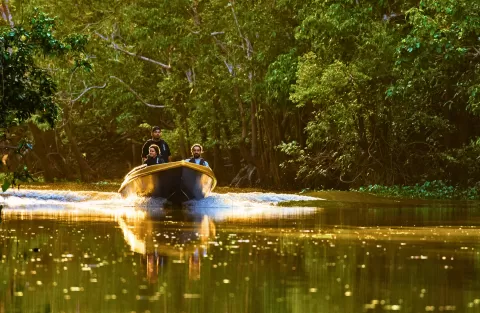
Rainforest Wildlife Photography Tour Across the Wilds of Borneo
Sandakan, Kinabatangan River, Gomantong Cave
06 Days | #1590

Falkland Islands - South Georgia - Antarctica
Ushuaia, The Falklands Islands, South Georgia, South Orkney Islands, Antarctic
18 Nights
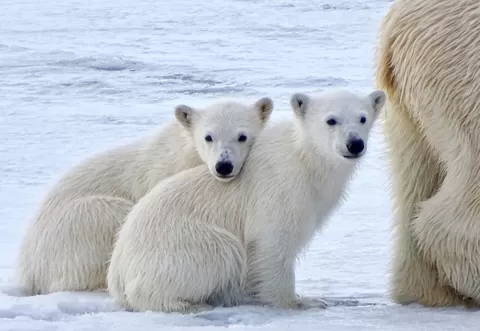
North Spitsbergen Explorer - Into the pack ice - Polar Bear Special
Longyearbyen, North Spitsbergen’s, Raudfjord, Monaco Glacier, The Seven Islands, Sailing in the pack ice, Forlandsundet wildlife
7 Nights
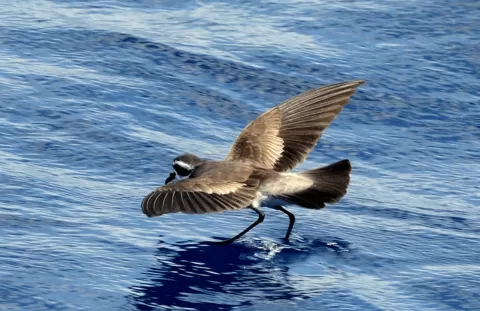
Unique Expedition Cruise Along the West African Coast
Praia, Around Raso – towards the West African continental shelf, At sea, Sailing along the upwellings of the West African coast, La Gomera, Canary Islands, Selvagen Islands, Desertas Islands, At sea north of Madeira and arrival Funchal
May 4-12, 2026 | 09 Days
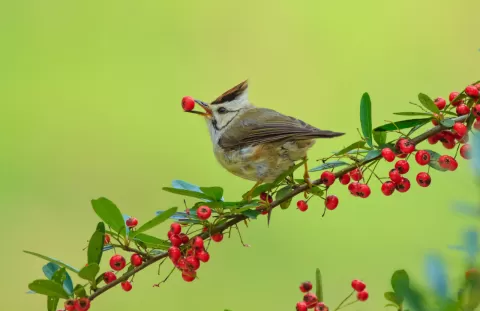
Taiwan Tour For 32 Endemic Birds - A Paradise for Birders
Xuecuohang, Shihmen Reservoir, Dasyueshan, Puli, Cingjing Farm, Hehushan (Taroko National Park), Chiayi, Southwest Coast, Alishan, Tataka (Yushan National Park), Hengchun (Kending National Park), Tainan (Taijiang National Park)
10 Days | #1569-IN